For indie founders and product development managers helming emerging fragrance brands, the path to market viability is frequently blocked by a single, formidable gatekeeper: the Minimum Order Quantity (MOQ).
In the prestige beauty and home fragrance sectors, high-end packaging is the ultimate tool for validating premium retail prices. However, traditional factories often demand initial production runs of tens of thousands of units just to amortize the setup costs of industrial CNC wood turning or metal stamping presses. For a rising brand trying to manage cash flow and test market traction, committing to excessive upfront inventory introduces unacceptable financial risk.
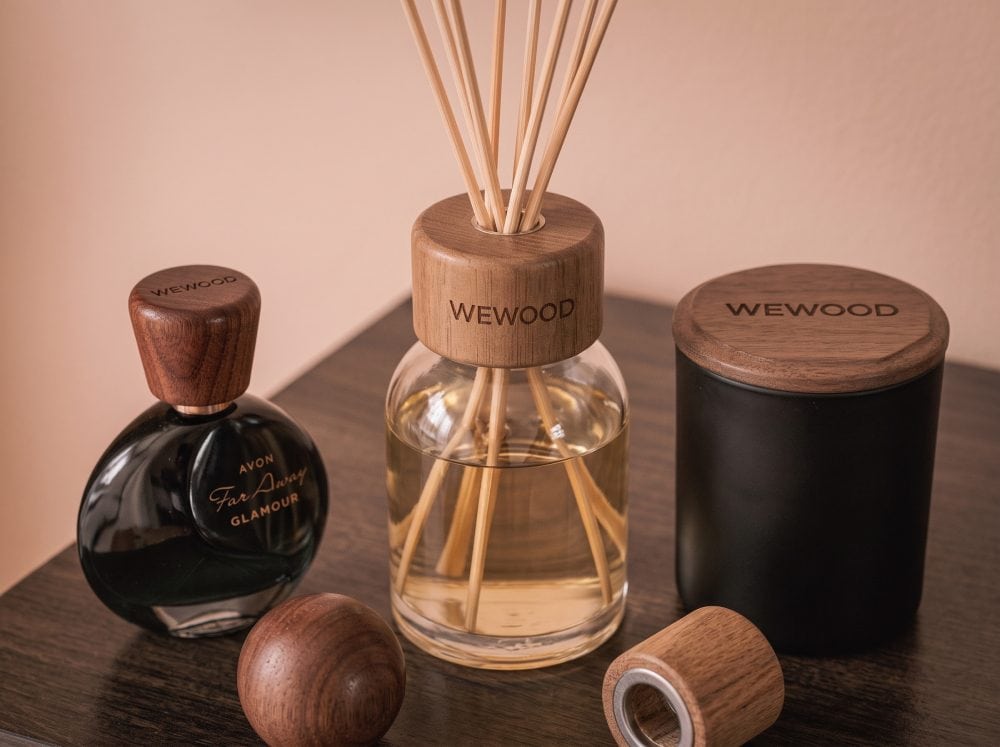
Navigating this phase successfully requires a partnership with specialized luxury fragrance packaging suppliers who look past the rigid mass-production model. By re-engineering the component manufacturing process, agile suppliers are providing scalable, low-MOQ structural solutions that allow emerging creators to access elite wood closures and decorative tinplate components without the burden of high financial overhead.
I.The Mechanics Behind the MOQ: Why Premium Components Are Rigid
To solve the MOQ dilemma, an emerging brand must first understand why traditional factories enforce high thresholds. In the manufacturing of premium custom wooden caps wholesale and decorative tinplate components, the main obstacle isn’t the raw material cost—it is the engineering setup time.
-
The Wood Turning Friction: Standard timber machining requires precision programming for multi-axis CNC routers and custom sanding jigs. Setting up a machine to turn a specific geometric wood perfume cap or wide wood candle lid takes hours of manual calibration. If a factory runs only 500 units, the cost of that downtime eclipses the value of the order.
-
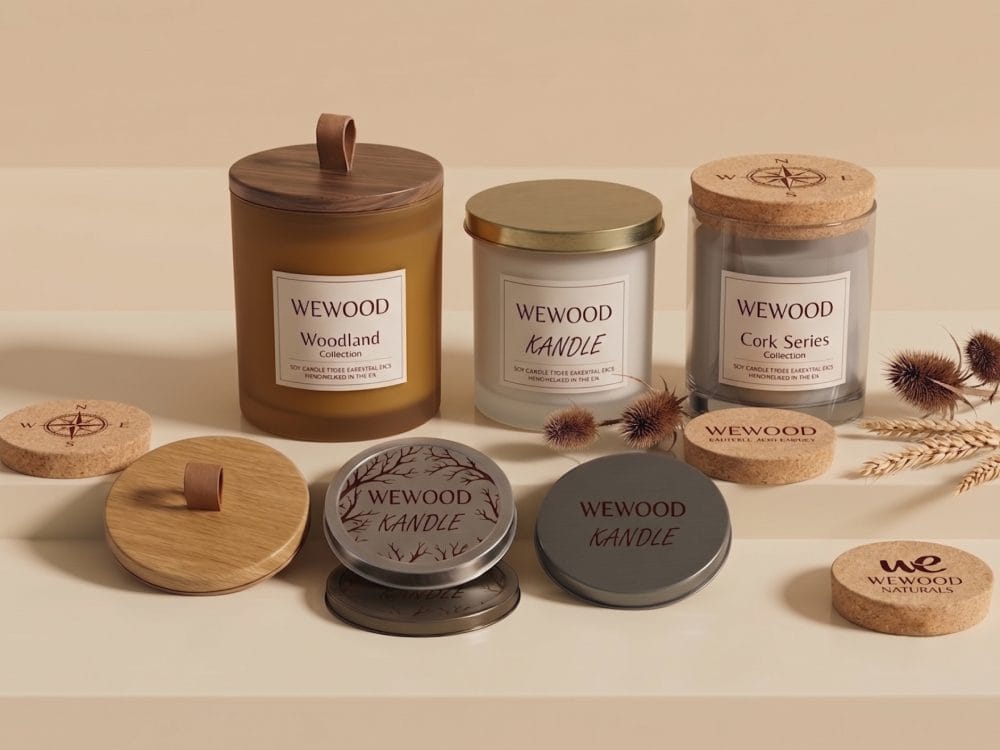
The Metal Stamping Constraint: For a specialized tinplate candle lids manufacturer, creating a sleek metal top or a luxury cosmetic container requires heavy stamping dies operating under tons of hydraulic pressure. Aligning these plates for a custom diameter requires precise technical alignment, which is only cost-effective when run continuously over thousands of cycles.
Because of these industrial realties, elite luxury fragrance packaging suppliers have shifted their operational models to absorb this friction on behalf of growing brands.
II.The Decoupled Insert Strategy: Lowering the Tooling Threshold
Experienced luxury fragrance packaging suppliers who specialize in supporting emerging portfolios bypass these operational constraints using a decoupled engineering strategy. They separate the functional internal mechanism (which requires strict engineering accuracy) from the artistic external housing (which requires design flexibility):
[ Mass-Produced Internal Core ] + [ Low-MOQ Bespoke Outer Shell ] = [ High-End Visual Assets ]
  (Standard PP Liners / Inserts)      (Flexible Turned Wood / Stamped Tin)       (Accessible Initial Capital)
In the fragrance sector, for example, a wood cap cannot securely grip a glass bottle on its own due to the organic variance of timber. It requires an internal Polypropylene (PP) liner.
Rather than engineering a unique plastic insert for every indie brand, forward-thinking luxury fragrance packaging suppliers mass-produce standardized inner liners engineered to fit global industry-standard glass finishes, such as the FEA15 perfume pump neck or standard candle jar diameters. Because these inner plastic cores are already sitting in stock by the hundreds of thousands, the factory can dramatically lower the MOQ on the outer wooden shell or decorative tinplate cap, allowing emerging lines to achieve a customized look without paying for custom injection molds.
3. Late-Stage Customization: Keeping Small Batches Cost-Effective
Another method that top-tier luxury fragrance packaging suppliers use to support low-MOQ requests is late-stage customization. This process involves running large, foundational batches of standard material “blanks” and performing bespoke finishing operations only when an order is placed.
The Wood Component Approach
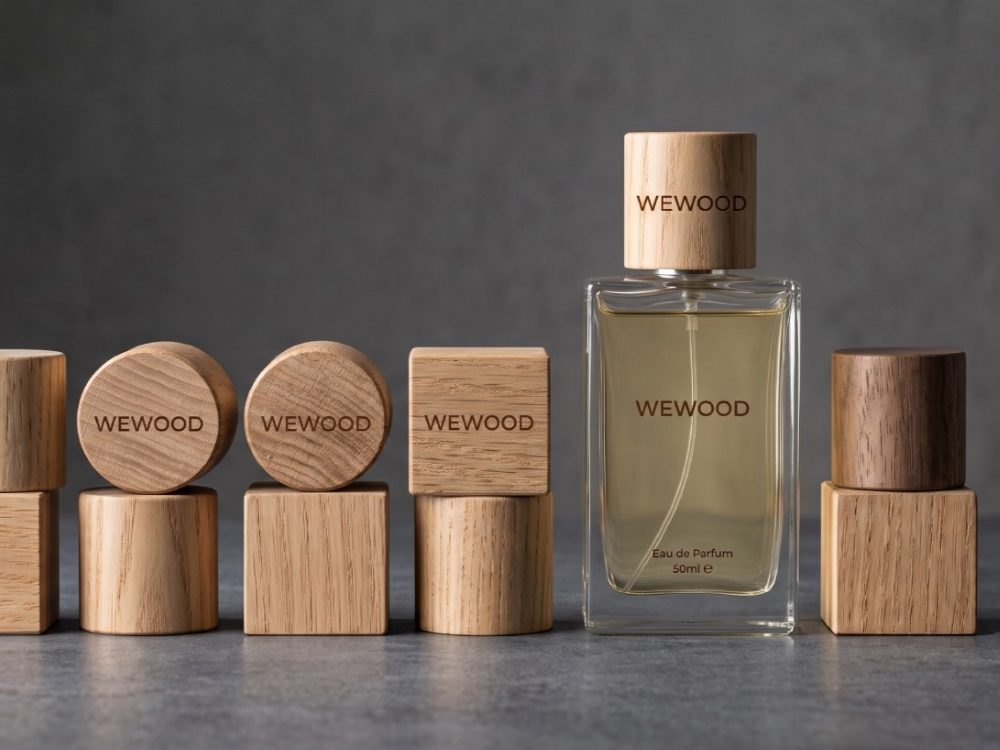
Factories produce thousands of unfinished cylinders or cubes in popular, certified hardwoods like American Walnut, European Beech, or Ash. According to international forestry data from the Forest Stewardship Council (FSC), sourcing responsibly managed wood has become a baseline expectation for modern prestige consumers. When an emerging brand places a smaller order, the factory pulls these pre-milled blanks from inventory and applies custom stains, unique oils, laser-engraved logos, or metallic hot foil stamping. This allows the brand to secure a premium, differentiated product without forcing the factory to restart the core machining process from scratch.
The Tinplate Lid & Container Approach
The same principles apply to premium metal container packaging, such as solid perfume tins, luxury balms, and tinplate candle lids. The factory maintains open tooling for standard container sizes. Instead of requiring a massive lithographic printing run on raw metal sheets before stamping, the supplier utilizes advanced post-processing techniques. High-definition UV printing or precision embossing can be executed directly onto the pre-formed metal lids and containers in smaller batches, keeping initial inventory lean and highly responsive to market demand.
The MOQ Sourcing Matrix: High-Volume vs. Agile Frameworks
| Sourcing Metric | Traditional High-Volume Sourcing | Supplier-Backed Low-MOQ Framework |
| Material Impact | Cheap injection plastics & basic paper boxes | Custom wooden caps wholesale, premium tinplate candle lids & containers |
| Tooling Commitment | High custom mold fees; 3–6 month engineering lag | Zero structural tool fees; leverages pre-engineered internal inserts |
| Customization Method | Inline mass-production (requires massive volumes) | Late-stage post-processing (laser, UV printing, custom stains) |
| Retail Pricing Support | Constrained to mainstream, entry-level price tiers | Justifies immediate 2x–3x premium retail price positioning |
Conclusion: Scalable Partnerships Build Sustainable Growth
Ultimately, navigating the startup and growth phases of a premium brand requires a manufacturing partner who views your business as a long-term investment. Modern McKinsey premium consumer market studies indicate that agile, material-led indie brands are capturing market share faster than ever by remaining responsive to consumer trends.
By leveraging open-tooling component systems, utilizing standardized internal mechanics, and deploying late-stage customization techniques on premium wood closures and decorative tinplate configurations, cooperative luxury fragrance packaging suppliers eliminate the financial risk of high MOQs. This partnership enables indie creators to launch with world-class tactile components, protect their early-stage cash flow, and scale their product lines safely from a position of financial strength.
Ready to Scale Your Emerging Brand Without the Burden of High-Volume Factory MOQs?
Protect your capital and elevate your brand equity from day one. Contact Wewood’s technical engineering team today to review our catalog of pre-tooled solutions. Discover how our premium wooden caps, custom wooden candle lids, and retail-ready tinplate candle lids can be customized at accessible initial volumes to power your upcoming launch.
[Consult with Our Low-MOQ Component Engineers]
Expert Guide Follow-up Question
Are you currently looking to match a low-MOQ wooden closure to a standard fragrance bottle finish (like FEA15), or are you sourcing premium wooden or tinplate lids to fit a specific candle jar size?